

17 November 2026 | iGaming Industry News |
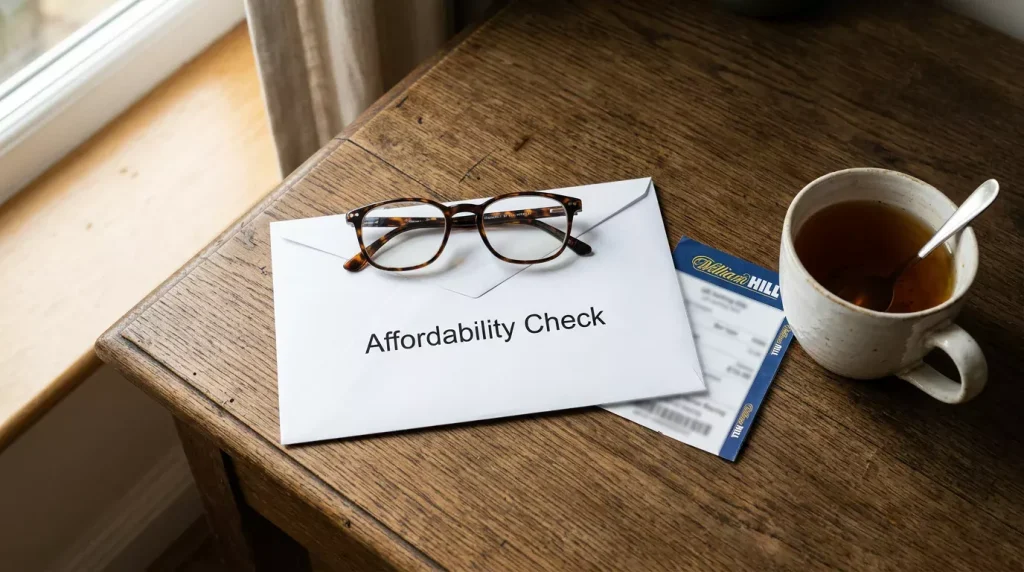
The arrival of affordability checks to the UK Gambling industry has become one of the most controversial developments in recent years, it saw huge outrage from punters and operators. Numerous concerns were raised about the large impact it has had on betting turnover and the knock on effect with sports sponsorship and funding.
First introduced to protect vulnerable customers from spending beyond their financial means, these checks have created considerable concerns over the balancing which has been struck by the Gambling Commission and the UK Government as personal freedom is also as important as protecting consumers.
While many are supportive of protecting problem gamblers, there is increasing frustration among punters who bet regularly who hold a firm stance that they should be free to spend their own money without having to disclose personal financial details. This viewpoint is very understandable considering all over 18s are classed as adults.
One area which has been heavily vocal on these restrictions is British Horse Racing which is the opposition to intrusive affordability checks, stressing that restrictions on betting activity could have serious financial implications for the sport. The figures suggest that Betting turnover on British racing has declined massively in the last few years, with the British Horseracing Authority (BHA) highlighting the potential effects caused by customers having to cut back on their stakes or abandoning regulated bookmakers completely.
For this sport it heavily relies on income which is betting generated which includes monies from the Horserace Betting Levy and media rights. Any continuing reduction in betting activity could greatly affect prize money for owners, racecourses and trainers. Then you have the thousands of people employed within racing which could lose jobs and before you know it UK horse racing could suddenly decline just like greyhound racing has.
Although many will also argue that affordability checks can’t be totally to blame for every decline in betting turnover, racing authorities believe they have made a major impact on an increasingly challenging commercial environment.
Perhaps the biggest source of conflict has been the requirement for many customers to handover financial documents before being allowed to continue betting. The paperwork has been requests for bank statements, payslips and other personal information which have angered many longstanding punters, particularly those who have enjoyed betting in control for many years.
For these consumers gambling is purely a recreational activity and they hold a stance that bookmakers should not be expected to investigate how individuals choose to spend their disposable income. There are also concerns that customers who have restrictions placed or long delays with licensed bookmakers will likely seek alternative places to bet.
One of the industry’s main arguments against intrusive affordability checks is the potential growth of illegal gambling operators. Unregulated Non UK betting websites can draw in customers by offering fewer financial restrictions and less scrutiny of their spending.
That being said these operators do not provide the same safeguards as licensed UK bookmakers in turn potentially exposing customers to greater financial risks and weaker protection. The irony according to many critics is that measures designed to make gambling safer could actually encourage many bettors to use websites operating outside British regulation governing bodies.
Taking that into account the exact figures to suggest affordability checks have actually driven customers towards illegal operators remains difficult to pinpoint.
It is all about finding a happy medium and the Gambling Commission maintains that financial checks are an important measure in identifying customers who may be experiencing financial difficulties. Its stature has increasingly focused on using financial data to carry out checks without regularly asking customers to submit personal proof in document form. Supporters of gambling restrictions stress that this provides a more proportionate method of protecting individuals which could be vulnerable while allowing the majority of customers to continue gambling without interruption. Bookmakers who’re offering a service face a challenge with complying with regulatory requirements but also maintaining customer confidence and ultimately protecting their businesses.
We feel the debate is very one sided, with the authorities behind enforcing these checks don’t have any experience with gambling or the industry. With British horse racing facing mounting financial pressures and bookmakers worried about losing customers the industry will continue to push for a system that recognises the difference between problem gambling and recreational betting which is being done responsibly.
To summarise our thoughts on the success of affordability checks they purely depend on whether regulators can protect potentially vulnerable customers without unnecessarily restricting the millions of people who enjoy gambling as a legitimate leisure activity.